
The Bionic Perspective:
A Personal Story
My name is Will. I’m a dad. I was a schoolteacher for twenty years. I founded the Bionic Project, an education organization that brings teachers and athletes with physical disabilities into K-12 schools. I’m also an amputee.
I was in a car accident at the age of 21, and for a long time after I lost my leg, I tried very hard to hide my prosthetic. I wanted to look “normal,” to fit in. So I wore long pants in ninety-degree weather, and whenever I walked into a room, I would immediately start scanning people’s faces to see if anyone was staring. In those days, my biggest challenge wasn’t learning to walk again. It was accepting what had happened, accepting the prosthetic, accepting that people might see me differently.
And then something unexpected happened when I had kids. My daughters, Bella and Sophie, didn’t see any of that. To them, I wasn’t an amputee. I wasn’t broken. I was just Dad. Their unconditional acceptance helped me realize that if I could feel comfortable with myself, most others would, too. Yes, there would still be questions and occasional stares. But if I leaned into my difference instead of hiding it, people would follow my lead.
I started to wonder: If my girls’ unconditional love could change how I saw disability, what could change how society sees it? How do we stop treating disability as rare or “other” and recognize it as a fundamental part of the human condition—one that has something to offer us all?
That question led me to start the Bionic Project. Our team visits classrooms across the country to lead students in tackling inclusive design challenges, critically examining disability stereotypes, and playing adaptive sports. Since launching our education program two years ago, we’ve reached more than 30,000 students at 85 schools across the country. We also hold road races on the east and west coasts, where people with physical disabilities run alongside those without to demonstrate how much we can accomplish as individuals and as a group.
When we speak to students, they often discover two surprising truths: we are far more alike than we are different, and many of the tools we rely on every day were originally created to solve problems faced by people with disabilities.
I often explain that second idea by telling a story about my daughters. They’re in their 20s now and love travelling to music festivals. On a typical trip, they wake up in the morning and brush their teeth with an electric toothbrush, originally designed for people with limited dexterity. Then they pack for the trip, which basically means dumping most of their closet into a suitcase with wheels, then rolling that suitcase down the sidewalk and across the street using curb cuts, originally built so wheelchair users could move through cities.
At the airport, they walk through automatic doors, which became widespread after the ADA required buildings to be accessible to wheelchair users. They buy an iced coffee and grab a bendy straw, originally invented so hospital patients could drink while lying down. While waiting for their flight, they watch TV with closed captions, originally created for people with hearing loss. They pull out their phones and start texting using touchscreens and predictive text, technologies that grew out of assistive communication tools. Or read an audiobook, a format that began as “talking books” created so blind people could access written stories. Or listen to music through bone-conduction speakers, a technology first explored by Beethoven as he began losing his hearing.
Without realizing it, Bella and Sophie, two non-disabled young women, spend basically their entire trip relying on technologies originally designed for people with disabilities, solutions designed for a few that ended up transforming life for everyone.
Seen this way, disability has been one of humanity’s greatest engines of innovation. This perspective matters because the next generation of entrepreneurs, designers, and engineers is sitting in classrooms right now. They will design our cities, our technology, and the systems that shape our lives.
If they learn to see disability not as a limitation but as a source of ingenuity and possibility, they will design a world that works better for everyone.
And then maybe fewer people will feel the need to hide, as I did after my accident. A little less shame, a little more connection and community. Which, in the end, is something all of us need to thrive.
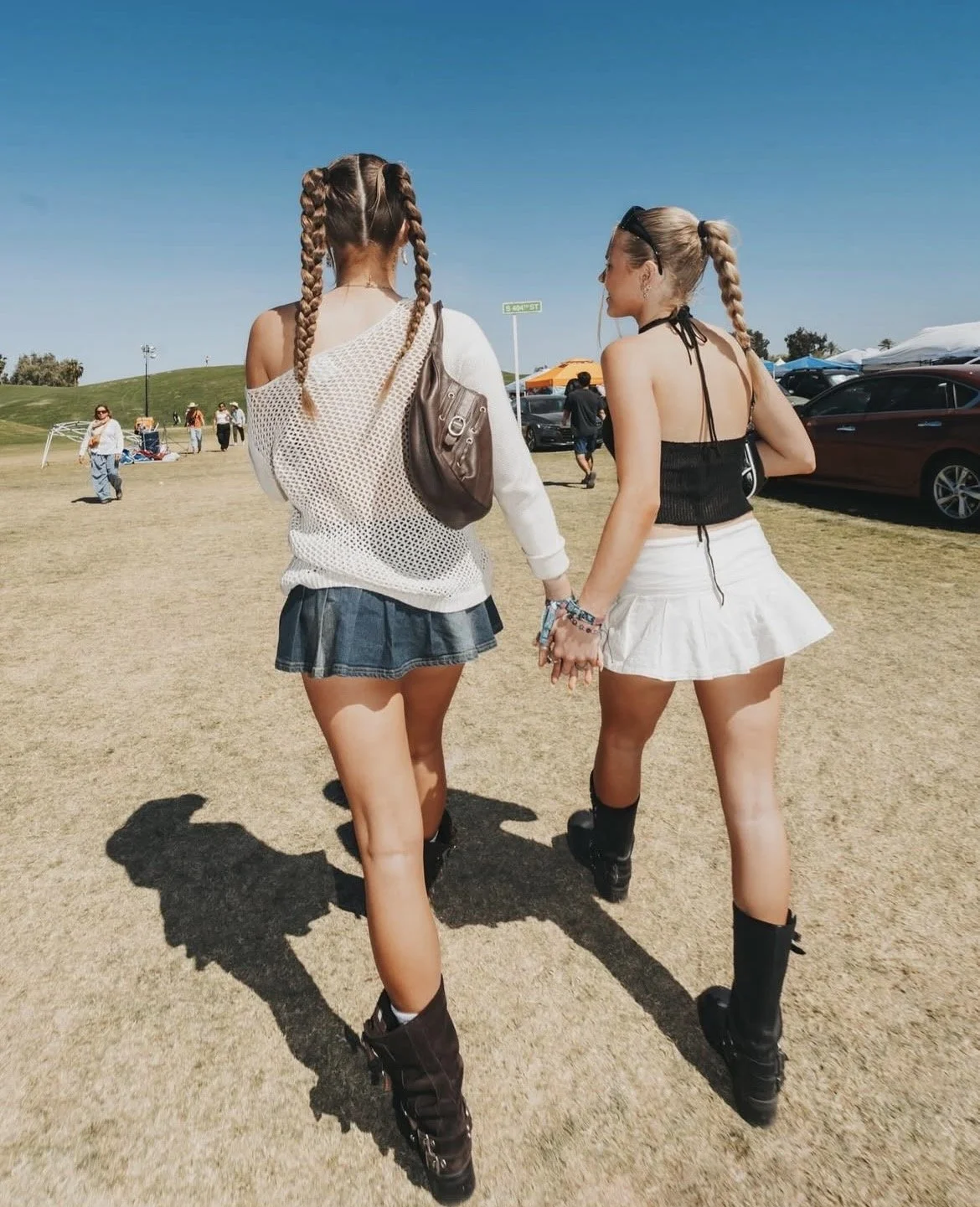
Bella & Sophie, Coachella 2024